


EU-GMP Standards and the Differences from WHO-GMP Standards
11:05 - 23/12/2024 3878
The differences between these two standards and the cleanroom requirements in pharmaceutical manufacturing. Let's explore the benefits of complying with these quality standards for medical products.
EN 1822 standard for HEPA H13, H14, and ULPA U15 filters
Requirements for Cleanroom Equipment Meeting EU GMP Standards
Guide to Designing a Cleanroom that Meets ISO Class 5 Standards.
ISO 14644-6:2007 (National Standard TCVN 8664-6:2011)
In the pharmaceutical and medical product manufacturing industry, compliance with quality standards is a crucial factor in ensuring safe and effective products. The two most common standards in this industry are EU-GMP and WHO-GMP; both aim to control product quality but have different requirements. This article will clarify what EU-GMP and WHO-GMP are, and the differences between them.
- EU-GMP (European Union Good Manufacturing Practice) Standards
EU-GMP is a standard regulated by the European Union, applying to pharmaceutical and medical product manufacturing facilities in member states. This standard requires manufacturers to comply with strict production processes, ensuring that all pharmaceutical products, dietary supplements, and medical devices are manufactured in clean conditions and that all risk factors affecting quality are controlled.
- Manufacturing environment: Cleanrooms in EU-GMP must comply with strict requirements for air cleanliness, temperature, humidity, and microbiological control.
- Inspection and monitoring: Products must be periodically inspected throughout the manufacturing process to ensure quality.
- Design requirements: Manufacturing and testing areas need to be designed to prevent contamination, avoiding polluting factors from the external environment.
- WHO-GMP (World Health Organization Good Manufacturing Practice) Standards
WHO-GMP is a standard set by the World Health Organization, applied to pharmaceutical and medical product manufacturing facilities globally, especially in developing countries. This standard aims to ensure that all pharmaceutical products and medical devices are produced with high quality, meeting safety and efficacy requirements for consumers.
- Inspection process: WHO-GMP requires manufacturers to implement strict quality inspection processes at every stage of production, from raw materials to the final product.
- Environmental control: Cleanrooms must be strictly controlled in terms of cleanliness and environmental factors to prevent contamination and pollution.
- Documentation system: WHO-GMP requires all manufacturing processes to be detailed and stored in a documentation system.
- Differences between EU-GMP and WHO-GMP
Although both standards aim to ensure product quality and safety, there are still some notable differences between EU-GMP and WHO-GMP:
- Application: EU-GMP is primarily applied in European Union member states, while WHO-GMP is applied more broadly globally, including in developing countries.
- Inspection requirements: EU-GMP has more stringent requirements regarding inspection and monitoring standards throughout the manufacturing process, especially in production facilities in developed countries.
- Documentation process: Although both standards require recording and storing documentation, WHO-GMP requires manufacturers to comply with stricter document storage processes and have a more detailed reporting system.
- Cleanroom stringency: Both standards require cleanrooms to meet strict conditions, but EU-GMP has tighter requirements for hygiene levels and cleanroom testing compared to WHO-GMP.
- Benefits of complying with EU-GMP and WHO-GMP standards
Complying with EU-GMP and WHO-GMP brings many benefits to pharmaceutical and medical product manufacturers, including:
- Ensuring product quality: Compliance with these standards helps ensure that products are manufactured in a clean and safe environment, helping to protect public health.
- Enhancing reputation: Manufacturing facilities that comply with these standards will enhance their reputation and brand value, while meeting the requirements of customers and regulatory agencies.
- High competitiveness: Achieving EU-GMP and WHO-GMP certifications helps businesses expand their markets and export products to other countries, especially those that require these certifications.
- The importance of complying with GMP standards
Achieving EU-GMP and WHO-GMP certifications is not only a legal requirement but also a strong commitment to quality and safety for consumers. Especially in the context of an increasingly developing global market, product quality requirements are becoming stricter. Complying with these standards helps manufacturers enhance their reputation, affirm their brand, and build trust with consumers, as well as regulatory agencies.
In addition, applying these regulations also contributes to improving production efficiency and minimizing risks and losses caused by products not meeting quality requirements. A manufacturing facility complying with EU-GMP or WHO-GMP can also easily access international cooperation opportunities and export products to demanding markets. In particular, these standards help manufacturers easily deal with issues arising during the manufacturing process, as all processes are standardized and recorded in detail, making it easy to control and improve.
By applying these standards, manufacturing companies not only improve product quality but also increase corporate value in the eyes of partners and customers. Cleanrooms designed and operated to standard will create a safe manufacturing environment, meeting strict requirements for microorganisms and environmental factors, thereby creating products of superior quality.
Conclusion
Complying with EU-GMP and WHO-GMP standards is a mandatory requirement for pharmaceutical and medical product manufacturers, helping to ensure quality and safety for users. Although there are some differences between these two standards, both aim at the common goal of producing safe and effective products. For companies like Anh Khang, building and maintaining standard-compliant cleanrooms is a crucial factor in meeting these strict requirements and ensuring product quality.
Contact us for a free consultation on cleanroom standards!
 | ANH KHANG CLEANROOM M&E JOINT STOCK COMPANY Hotline: 1900 636 814 - 0902 051 222 Email: info@akme.com.vn Website: akme.com.vn Add: Lot B7 - Xuan Phuong Garden - Phuong Canh Ward - Nam Tu Liem District - Hanoi. |

12:05 - 28/11/2019 49391
Cleanroom Design and Construction
14:05 - 11/03/2025 24900
GMP and ISO Standard Cleanroom Construction
14:18 - 11/03/2025 13789
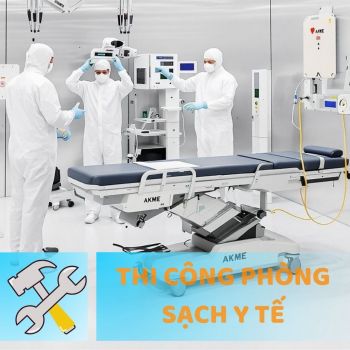
ISO Standard Medical Cleanroom Construction
14:13 - 28/02/2025 25205
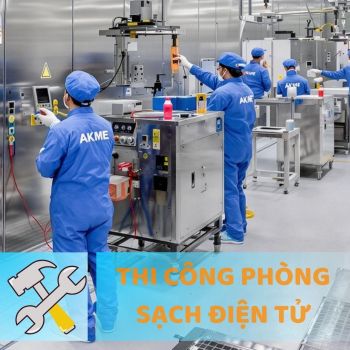
Electronics Cleanroom Construction
16:15 - 18/03/2021 7654
Warranty Service
16:26 - 28/11/2019 21043
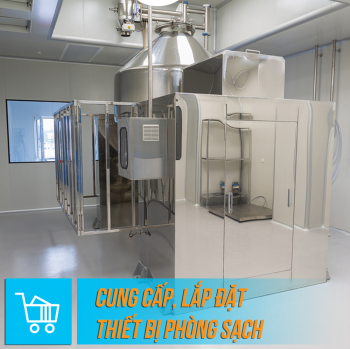
Supply and installation of cleanroom equipment

14:50 - 26/11/2019 7378
Technology Production Line Consulting
16:35 - 19/03/2025 20936