


10 Important Questions When Choosing a Modular Cleanroom Design Partner (Part 2).
14:06 - 19/08/2025 592
In the context of developing advanced pharmaceutical therapies, the design, development, and installation of cleanrooms play a critical role in ensuring a controlled environment that is hygienic and safe.
The BMS System in Cleanrooms: A Core Role
What Are DQ, IQ, OQ, and PQ Qualification Documents? Structure, Roles, and a Reference Checklist for Cleanroom Systems
English translation: “Factors That Determine the Performance of Cleanroom Air Filters.”
Sustainable Cleanroom Humidity: The Important Role of Water Quality
☰ Table of Contents
- 1. Choosing a modular cleanroom partner: the next 5 questions
- 1.1. Can the vendor ensure predictability in schedule and cost?
- 1.2. Can they validate their execution approach with real projects?
- 1.3. Are they transparent, responsive, and able to build trust?
- 1.4. Do they provide comprehensive support during and after the project?
- 1.5. How do they help future-proof your project?
- 2. Anh Khang Cleanroom’s perspective
- 3. Conclusion
10 Important Questions When Choosing a Modular Cleanroom Design Partner (Part 2)
In Part 2 of the “Top 10 Questions when choosing a modular cleanroom partner” series, Trista Hager – Vice President of Sales at AES Clean Technology shares five key questions to help you assess a cleanroom vendor’s capability and fit with your project goals.
6. Can the vendor ensure predictability in schedule and cost?
Cleanroom design and construction can easily lead to cost overruns and schedule delays if not tightly managed. A vertically integrated contractor—covering design, development, and modular installation—can offer more predictable costs and timelines, because modular execution enables more accurate forecasting of materials and labour.
7. Can they validate their execution approach with real projects?
Ask vendors to demonstrate accountability by providing references, arranging facility visits or factory tours, presenting certifications/approvals that confirm building code compliance, and organising face-to-face meetings with the teams who will actually deliver the project.
8. Are they transparent, responsive, and able to build trust?
End-to-end communication is essential for project success. Vendors should communicate regularly and clearly from start to finish—so requirements are understood, stakeholders are heard, and issues are addressed promptly.
9. Do they provide comprehensive support during and after the project?
A vertically integrated vendor (design–engineering–manufacturing–installation) has advantages in coordination, schedule control, and quality. In addition, an aftermarket program (e.g., maintenance, modifications, and support beyond standard warranties) helps ensure long-term facility performance.
10. How do they help future-proof your project?
Because cleanrooms often have long lifespans (potentially 30+ years), the vendor should design for flexibility—integrating new technologies and enabling future expansion or phased adaptation as needs evolve. Modular installation can support future-proofing by simplifying expansion and reconfiguration over time.
Anh Khang Cleanroom’s perspective
Anh Khang Cleanroom summarises the “golden points” as follows:
- Clear cost and schedule predictability: Modular design helps control financial and timeline risk—critical for pharmaceutical and healthcare projects where precision matters.
- Proven capability through action: Visiting reference sites and meeting delivery teams helps assess execution ability beyond marketing claims.
- Transparency – trust – professionalism: Fast, honest communication is the foundation of effective collaboration.
- Ongoing support beyond project handover: Aftermarket service, maintenance, and upgrades extend cleanroom life and reduce long-term operating cost.
- Flexible, future-focused design: Future-proofing—expanding or upgrading a cleanroom as requirements change—should be prioritised.
Conclusion
Part 2 of the “Top 10 questions” series expands with five questions focused on cost and schedule predictability, proof of execution, communication, ongoing support, and future flexibility. In Anh Khang Cleanroom’s view, these criteria are a practical compass for choosing a reliable, best-fit partner and ensuring long-term cleanroom performance.
If you want to explore how to apply each criterion in practice—or need additional suggestions for selecting suppliers in the Vietnamese market—feel free to ask.

12:05 - 28/11/2019 49256
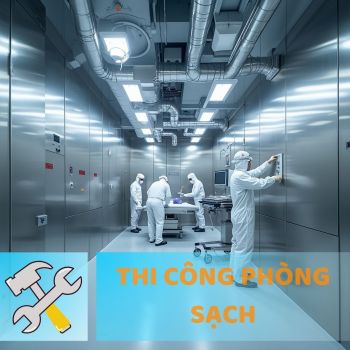
Cleanroom Design and Construction
14:05 - 11/03/2025 24802
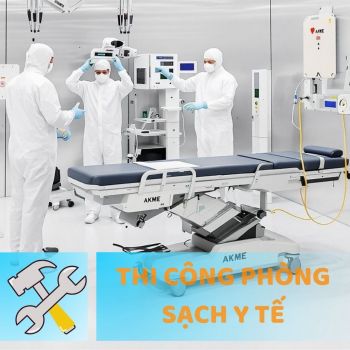
GMP and ISO Standard Cleanroom Construction
14:18 - 11/03/2025 13642
ISO Standard Medical Cleanroom Construction
14:13 - 28/02/2025 25092
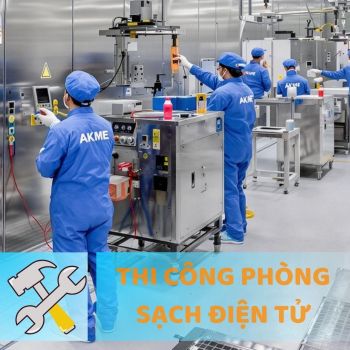
Electronics Cleanroom Construction

16:15 - 18/03/2021 7516
Warranty Service
16:26 - 28/11/2019 20927
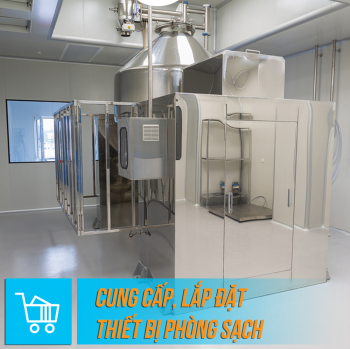
Supply and installation of cleanroom equipment

14:50 - 26/11/2019 7246
Technology Production Line Consulting
16:35 - 19/03/2025 20860