


How to Properly Maintain a Cleanroom System
14:57 - 08/01/2025 312
A detailed guide covering HEPA filter inspection, surface cleaning, and HVAC system maintenance to ensure compliance with ISO 14644 and GMP standards.
The BMS System in Cleanrooms: A Core Role
What Are DQ, IQ, OQ, and PQ Qualification Documents? Structure, Roles, and a Reference Checklist for Cleanroom Systems
English translation: “Factors That Determine the Performance of Cleanroom Air Filters.”
Sustainable Cleanroom Humidity: The Important Role of Water Quality
A cleanroom system plays an important role in ensuring a compliant working environment, especially in industries such as pharmaceutical manufacturing, electronics, food, and high technology. To maintain operational efficiency, cleanroom system maintenance must be carried out regularly and in accordance with proper procedures. The article below provides a detailed guide to help you maintain your cleanroom system as effectively as possible.
1. Proper Understanding of Cleanroom Systems and Related Standards
1.1. What is a cleanroom system?
A cleanroom is an environment that is strictly controlled in terms of temperature, humidity, pressure, and the level of airborne particles. It is used for manufacturing products that require a high level of purity, such as pharmaceuticals, electronic components, or dietary supplements.
1.2. Common cleanroom standards
- Class 100 (ISO 5): No more than 100 particles ≥ 0.5 microns per cubic foot of air. This standard is commonly applied in electronic component manufacturing and high-tech production.
- GMP: A standard widely applied in the pharmaceutical industry.
- ISO 14644: An international standard for controlling particles and microorganisms in cleanrooms.
Proper maintenance helps ensure that the system continuously meets these standards.
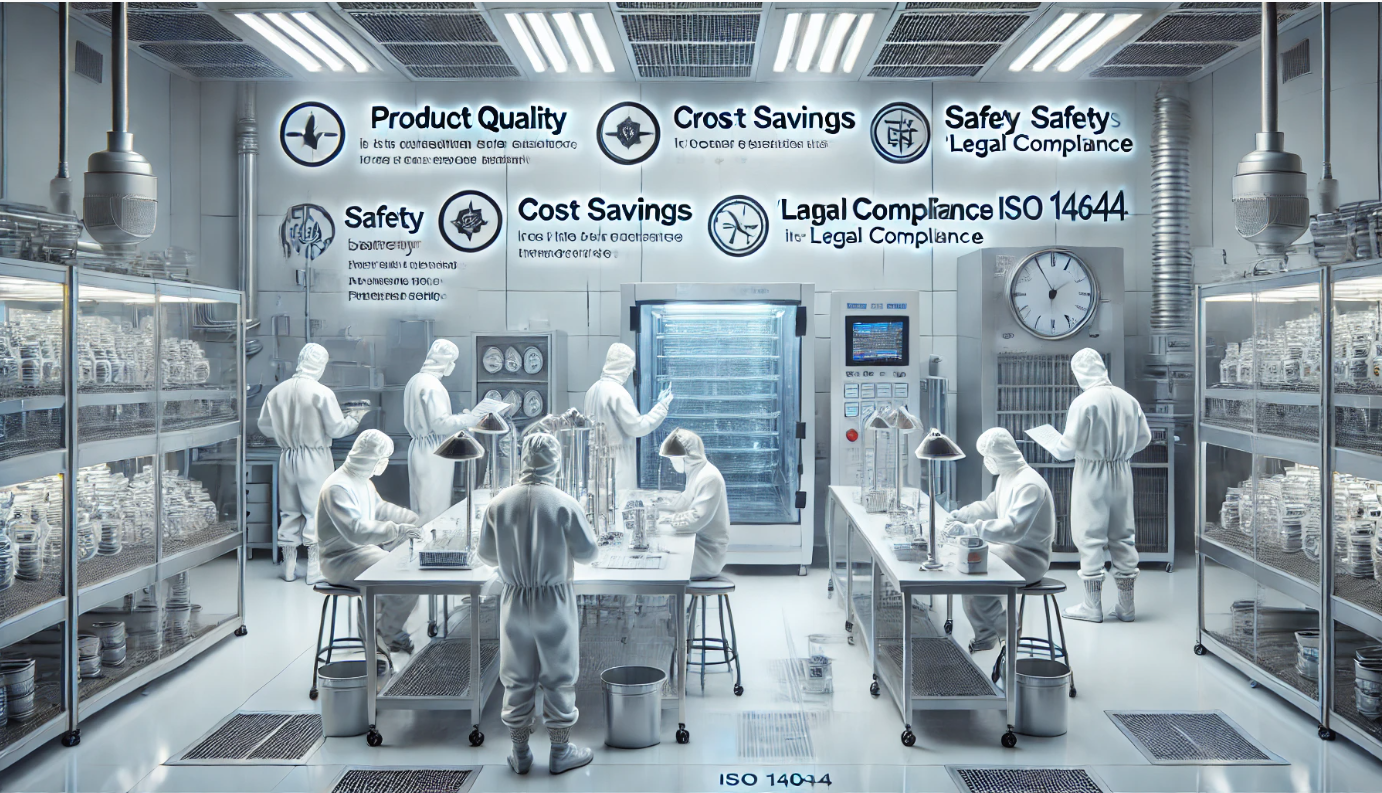
2. Benefits of Cleanroom System Maintenance
- Maintaining product quality: A well-functioning cleanroom system helps prevent contamination or deviations in the production environment.
- Saving costs: Early detection of issues helps minimize repair and replacement costs.
- Ensuring safety: Helps prevent health risks for employees and customers.
- Ensuring regulatory compliance: Maintaining cleanroom standards helps businesses avoid violations during quality inspections.
3. Detailed Cleanroom System Maintenance Process
3.1. Maintain the air filtration system (HEPA, ULPA)
- Importance: The air filtration system is the “heart” of the cleanroom, helping remove dust particles and bacteria.
- Tasks to perform:
- Periodically check the pressure across the air filters.
- Clean or replace the filters if performance decreases or when they reach the end of their service life.
- Measure airflow to ensure it meets the required standards.
3.2. Clean surfaces and equipment in the cleanroom
- Methods:
- Use lint-free wipes and specialized cleaning solutions.
- Clean wall, floor, and ceiling surfaces, especially hard-to-reach areas.
- Clean interior equipment such as worktables and machinery to ensure they do not release dust.
3.3. Inspect and maintain the HVAC system
- Role: The HVAC system (heating, ventilation, and air conditioning) maintains stable temperature, humidity, and pressure.
- Tasks to perform:
- Inspect components such as fans, heat exchangers, and temperature sensors.
- Service the system periodically to reduce energy consumption and improve performance.
3.4. Inspect the pressure control system
- Importance: Properly maintained positive or negative pressure helps prevent the intrusion of bacteria or dust.
- Tasks:
- Inspect pressure control dampers and sensors.
- Measure cleanroom pressure and adjust it when necessary.
4. Important Notes When Maintaining a Cleanroom System
4.1. Follow standard maintenance procedures
- Always follow the manufacturer’s instructions or international standards such as ISO 14644 and GMP.
- Ensure that cleaning tools and materials do not generate dust or contamination.
4.2. Train maintenance personnel professionally
- The maintenance team should be trained in equipment operation, technical parameter inspection, and cleanroom cleaning procedures.
4.3. Use maintenance services from reputable providers
If you do not have an in-house team, you should hire professional maintenance services to ensure quality and accuracy.
5. Cleanroom System Maintenance Frequency
- Daily: Clean surfaces and check basic operating conditions.
- Weekly: Perform deeper cleaning and check room pressure.
- Monthly: Inspect the HVAC system and air filters.
- Quarterly: Conduct an overall performance assessment of the entire system.
- Annually: Perform compliance testing according to GMP or ISO 14644 standards.
6. Signs That a Cleanroom System Requires Urgent Maintenance
If you detect any of the following issues, maintenance should be carried out immediately:
- Unstable room pressure.
- A sudden increase in dust or microbial concentration.
- A sharp drop in airflow through the filters.
- Unusual noise or vibration in the HVAC system.
7. Conclusion
Proper cleanroom system maintenance is a key factor in maintaining production quality, ensuring safety, and minimizing risks. With a periodic maintenance process and a professional team, you can extend the system’s service life and save long-term costs.
Let Anh Khang Cleanroom accompany you in maintaining your cleanroom system effectively and in full compliance with standards!
 | ANH KHANG CLEANROOM M&E JOINT STOCK COMPANY Hotline: 1900 636 814 - 0902 051 222 Email: info@akme.com.vn Website: akme.com.vn Address: Lot B7 - Xuan Phuong Garden - Phuong Canh - Nam Tu Liem - Hanoi. |

12:05 - 28/11/2019 49256
Cleanroom Design and Construction
14:05 - 11/03/2025 24802
GMP and ISO Standard Cleanroom Construction
14:18 - 11/03/2025 13643
ISO Standard Medical Cleanroom Construction
14:13 - 28/02/2025 25092
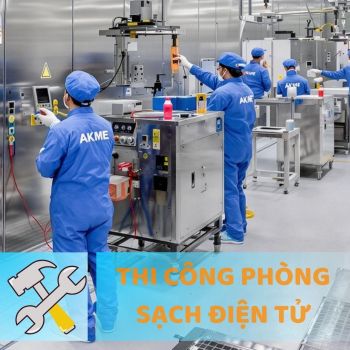
Electronics Cleanroom Construction
16:15 - 18/03/2021 7516
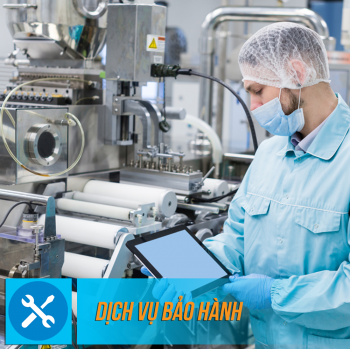
Warranty Service
16:26 - 28/11/2019 20927
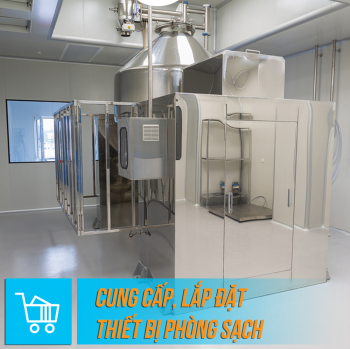
Supply and installation of cleanroom equipment

14:50 - 26/11/2019 7246
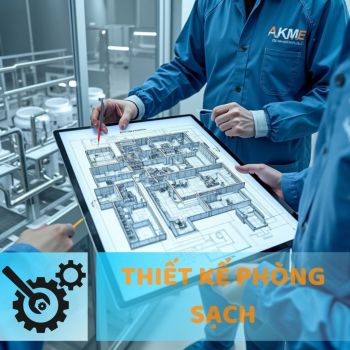
Technology Production Line Consulting
16:35 - 19/03/2025 20860