


When Should You Replace a HEPA Filter? – Cleanroom Expert Advice.
15:51 - 12/08/2025 569
The BMS System in Cleanrooms: A Core Role
What Are DQ, IQ, OQ, and PQ Qualification Documents? Structure, Roles, and a Reference Checklist for Cleanroom Systems
English translation: “Factors That Determine the Performance of Cleanroom Air Filters.”
Sustainable Cleanroom Humidity: The Important Role of Water Quality
When Should You Replace a HEPA Filter? – A Cleanroom Expert Perspective
HEPA (High Efficiency Particulate Air) filters are a key component in maintaining required cleanliness standards in cleanroom systems and pass box transfer units. Over time, filtration performance gradually declines, which can negatively affect cleanliness and increase operating costs. So, when should you replace the filter? Below are practical recommendations from Cleanroom Technology experts.
Why do HEPA filters need periodic replacement?
- Over time, dust and particles accumulate in the media, reducing filtration performance and increasing differential pressure.
- Higher filter pressure creates additional load on the fan system, which may reduce airflow and increase energy costs.
- As efficiency drops, the HEPA filter can no longer maintain the required cleanroom cleanliness level.
_1.jpg)
Key signs it’s time to replace the filter
- Differential pressure rises significantly
If the filter pressure doubles compared to its initial value, it’s a strong indication the filter is clogged and should be replaced immediately.
- Filter structure is damaged or damp
Physical damage such as punctures, tears, or moisture contamination reduces performance immediately — replace the filter right away.
- Based on manufacturer recommendations or practical experience
Some professional sources recommend replacing HEPA filters every 3–5 years for typical cleanrooms.
- Operating time and conditions
- In dusty or polluted environments, filters may need earlier replacement (6–12 months). In cleaner environments, the interval may extend to 1–2 years.
- Some cleanrooms may require replacement every 2–3 months depending on the specific process and operating environment.
- For medical or pharmaceutical cleanroom systems, if the filter is properly installed and operated correctly, service life can reach up to 10 years; however, differential pressure and leakage should be checked periodically.
Practical guidance for effective filter replacement
- Track filter differential pressure monthly; when it increases beyond the threshold, inspect and plan timely replacement.
- Perform visual inspections of physical condition (tears, moisture, dust buildup) on a regular schedule.
- Refer to the manufacturer’s instructions for each filter type, as different grades (H13, H14, ULPA, etc.) have different characteristics.
- Keep replacement records to evaluate performance and optimize the replacement cycle for the best balance between efficiency and cost.
_1.jpg)
Anh Khang’s conclusion
Replacing HEPA filters at the right time is a strategic factor in maintaining system performance, ensuring cleanroom conditions, and controlling operating costs. The best approach combines real-world observations (differential pressure, signs of damage, visible contamination) with a maintenance schedule based on the environment and technical recommendations to make the most appropriate decision.
If you need specific advice for your cleanroom type or operating process, share a few details and we can provide more tailored guidance.
 | ANH KHANG CLEANROOM M&E JOINT STOCK COMPANY Hotline: 1900 636 814 - 0902 051 222 Email: info@akme.com.vn Website: akme.com.vn Address: Lot B7 - Xuan Phuong Garden - Phuong Canh - Nam Tu Liem - Hanoi, Vietnam. |

12:05 - 28/11/2019 49614
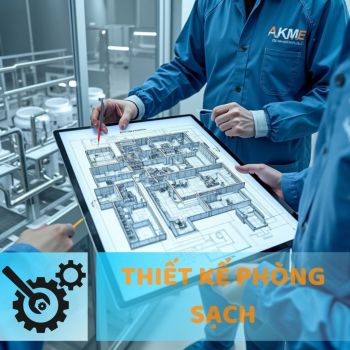
Cleanroom Design and Construction
14:05 - 11/03/2025 25063
GMP and ISO Standard Cleanroom Construction
14:18 - 11/03/2025 14008
ISO Standard Medical Cleanroom Construction
14:13 - 28/02/2025 25352
Electronics Cleanroom Construction

16:15 - 18/03/2021 7825
Warranty Service
16:26 - 28/11/2019 21238
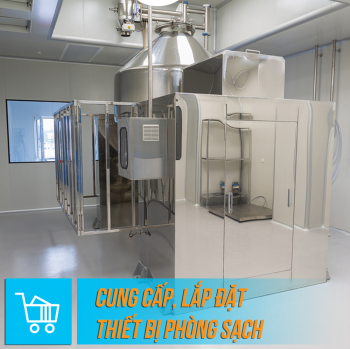
Supply and installation of cleanroom equipment

14:50 - 26/11/2019 7542
Technology Production Line Consulting
16:35 - 19/03/2025 21087