


HEPA Filtration Technology: Characteristics and Applications in Cleanrooms
11:13 - 18/12/2024 1061
Discover HEPA filtration technology: Outstanding features and effective applications in cleanrooms. The optimal solution for a clean environment, ensuring air quality standards.
What Is a VAV System? Structure, Operating Principle, and Applications in HVAC
Position air return grilles to optimise airflow control in the cleanroom.
Innovating airlock technology – off-site fabrication and field assembly to ensure a seamless transition when entering and exiting sterile environments.
Decoding Raised Floors in Cleanrooms for Electronics Manufacturing Plants
In the modern technological era, maintaining a cleanroom environment is extremely important, especially in fields such as healthcare, food processing, and high technology. One of the most effective solutions to ensure air quality is HEPA filtration technology. This article will help you better understand the characteristics, applications, and importance of HEPA filtration technology in creating clean and safe spaces, while also analyzing concepts such as HEPA standards, filtration efficiency, and air purification technology.
Characteristics of HEPA Filters
HEPA (High Efficiency Particulate Air) filtration technology has the ability to remove at least 99.97% of dust particles with a size of 0.3 micrometers, including bacteria, viruses, pollen, and fine dust particles. This makes it one of the most effective air filtration systems available today.
- High filtration efficiency
HEPA filtration technology stands out for its ability to remove at least 99.97% of dust particles sized 0.3 micrometers, including bacteria, viruses, pollen, and fine dust. This is the key factor that makes HEPA filters one of the most effective air filtration systems today.
HEPA filtration efficiency is not only evaluated by its ability to remove ultrafine dust particles but also by its ability to maintain this effectiveness over a long period. According to a study in Vietnam, using HEPA filters in hospitals significantly reduced the airborne infection rate by up to 50%. Therefore, this technology is widely applied in fields requiring clean and sterile environments.
- HEPA Standards
HEPA standards are established by international organizations such as ASHRAE (American Society of Heating, Refrigerating and Air-Conditioning Engineers) and EN 1822 (European standard). According to this standard, to be recognized as a HEPA filter, the device must meet the capability of removing at least 99.97% of 0.3-micrometer particles. This strictness ensures that the air passing through the HEPA filter achieves the highest level of cleanliness, suitable for medical, industrial, and residential applications.
In addition, HEPA filter devices are strictly tested through rigorous procedures, including pressure resistance tests, performance in harsh environments, and stability over long periods of use.
- Durability and reusability
Another advantage of HEPA filtration technology is its high durability and reusability in some cases. HEPA filters typically have a long lifespan, ranging from 1 to 3 years, depending on the operating environment. Some manufacturers also provide periodic cleaning instructions to help extend the filter's lifespan. However, periodically replacing the filter remains crucial to ensure optimal performance.
- Clean and safe air
With the ability to effectively remove dust particles and bacteria, HEPA filters create a fresh, healthy air environment. This is especially important in hospitals, where clean air can determine a patient's survival, or in food manufacturing plants, where food hygiene and safety must be ensured. Additionally, using HEPA filters in living spaces helps minimize allergy symptoms and improve overall health quality.

Applications of HEPA Filters
- In healthcare
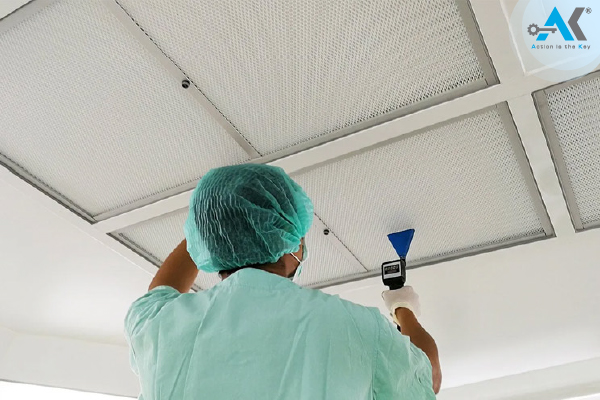
HEPA filtration technology is an indispensable part of modern healthcare. In hospitals, operating rooms and isolation areas are often equipped with HEPA filtration systems to ensure the air is always clean and limit the risk of cross-contamination.
Studies show that using HEPA filters in intensive care units has significantly reduced the risk of airborne transmission. Not only that, microbiological testing centers and specialized medical facilities also use this technology to maintain a sterile environment, ensuring accuracy in analysis and diagnosis.
- In industry
HEPA filtration technology plays an important role in many industries, especially food processing, pharmaceuticals, and high-tech equipment manufacturing. Pharmaceutical manufacturing plants often require cleanroom standard production environments, and HEPA filtration systems are the ideal solution to meet this standard.
A typical example is in electronic component manufacturing plants, where even the smallest dust particles can damage products. Using HEPA filters helps protect sensitive products while improving the quality and reliability of the final product.
- In living spaces
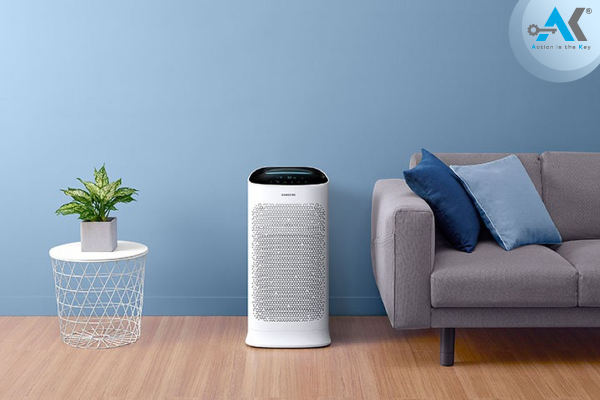
Not only used in industry and healthcare, HEPA filtration technology is also increasingly popular in family living spaces. Air purifiers using HEPA filters are a common choice to improve indoor air quality, especially in urban areas with high pollution levels.
A recent study showed that using HEPA air purifiers in households with young children reduced allergy and respiratory symptoms by 30%. Furthermore, this technology is also integrated into household appliances such as vacuum cleaners and air conditioners, helping to comprehensively improve the living environment.
- In aviation and transportation
Modern commercial aircraft often use HEPA filtration systems to maintain clean air in the passenger cabin. This not only reduces the risk of disease transmission but also brings comfort to passengers throughout the flight. HEPA filtration systems in the aviation industry are designed to operate effectively even under low pressure and high airflow conditions.
Benefits of HEPA filtration technology
HEPA filtration technology not only helps improve air quality but also brings many long-term benefits to human health and the environment. Some notable benefits include:
- Reducing disease risk: Clean air helps reduce the risk of respiratory diseases, allergies, and airborne infections.
- Environmental protection: Using reusable HEPA filters helps minimize waste, contributing to environmental protection.
- Improving labor productivity: A clean and comfortable working environment helps increase productivity and reduce fatigue and stress.
- Increasing product value: In industrial production, using HEPA filtration technology helps improve product quality, building consumer trust.
Conclusion
HEPA filtration technology not only helps improve air quality but also brings many benefits to human health. With the ability to remove ultrafine dust particles and maintain a cleanroom environment, HEPA filters are the optimal solution for various fields. If you are looking for a solution to improve the air in your living or working space, consider investing in air filtration systems using HEPA filters. Remember that choosing a standard-compliant HEPA filter will ensure the highest filtration efficiency, giving you and your family a safe and fresh living space.
 | ANH KHANG CLEANROOM M&E JOINT STOCK COMPANY Hotline: 1900 636 814 - 0902 051 222 Email: info@akme.com.vn Website: akme.com.vn Add: Lot B7 - Xuan Phuong Garden - Phuong Canh Ward - Nam Tu Liem District - Hanoi. |

12:05 - 28/11/2019 49375
Cleanroom Design and Construction
14:05 - 11/03/2025 24891
GMP and ISO Standard Cleanroom Construction
14:18 - 11/03/2025 13775
ISO Standard Medical Cleanroom Construction

14:13 - 28/02/2025 25191
Electronics Cleanroom Construction
16:15 - 18/03/2021 7636
Warranty Service
16:26 - 28/11/2019 21035
Supply and installation of cleanroom equipment

14:50 - 26/11/2019 7361
Technology Production Line Consulting

16:35 - 19/03/2025 20923