


What types of cleanroom panels are there?
16:09 - 07/02/2025 874
Common panel types such as EPS, PU, glass wool, and stainless steel meet the stringent standards required for cleanrooms.
What Is a VAV System? Structure, Operating Principle, and Applications in HVAC
Position air return grilles to optimise airflow control in the cleanroom.
Innovating airlock technology – off-site fabrication and field assembly to ensure a seamless transition when entering and exiting sterile environments.
Decoding Raised Floors in Cleanrooms for Electronics Manufacturing Plants
In cleanroom design and construction, the selection of panel materials plays an important role in ensuring durability, aesthetics, and compliance with cleanroom standards. Panels not only form the main structure of the cleanroom but also help control factors such as temperature, humidity, and the cleanliness level of the environment. Each type of panel offers different characteristics, making it suitable for different project requirements.
1. What Is a Cleanroom Panel?
Cleanroom panels are material boards used for walls, ceilings, and floors in cleanrooms. They are specially designed to meet the following requirements:
- Airtightness: Prevent dust and bacteria from entering.
- Thermal insulation: Maintain a stable room temperature.
- Fire resistance: Reduce the risk of fire and explosion.
- Easy cleaning: Smooth surfaces that do not attract dust and are easy to wipe clean.
Panels used in cleanrooms usually consist of three layers:
- Surface layer: Usually electrostatically powder-coated steel, aluminum, or stainless steel.
- Core layer: Includes insulating materials such as EPS, PU, or glass wool.
- Protective layer: An outer coating that resists scratches or static electricity.
2. Common Types of Cleanroom Panels
Below are the most commonly used panel types in cleanrooms, along with a detailed comparison of their advantages and limitations:
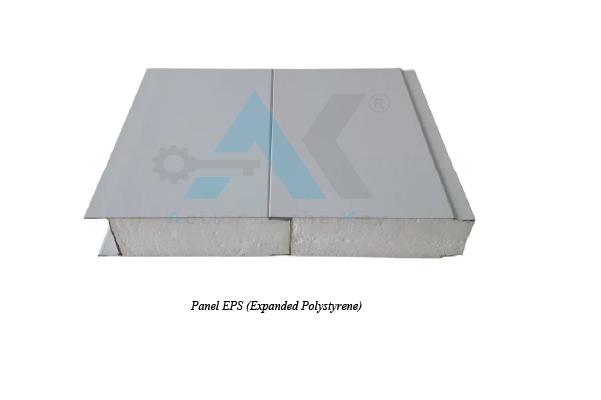
2.1. EPS Panel (Expanded Polystyrene)
Structure: An EPS foam core between two surface layers made of electrostatically powder-coated steel or aluminum.
- Advantages:
- Low cost, suitable for limited budgets.
- Lightweight, easy to transport and install.
- Relatively good thermal and sound insulation.
- Limitations:
- Less durable than other panel types.
- Not suitable for environments with high requirements for fire resistance or cleanliness.
- Applications: Small-scale cleanrooms with moderate standards, such as ISO Class 8 cleanrooms.
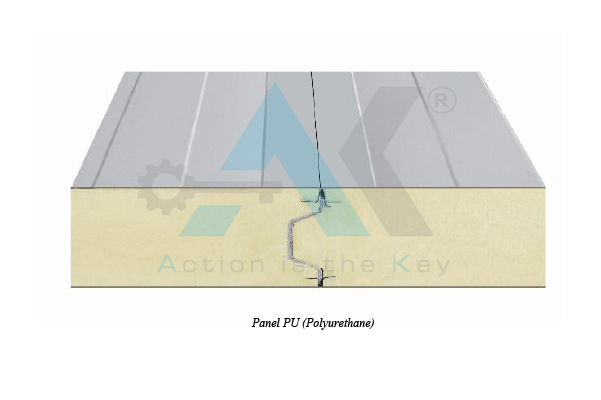
2.2. PU Panel (Polyurethane)
Structure: A PU core between two surface layers made of electrostatically powder-coated steel or stainless steel.
- Advantages:
- Excellent thermal insulation, suitable for cleanrooms requiring tight temperature control.
- Better fire resistance than EPS.
- High durability and good load-bearing capacity.
- Limitations:
- Higher cost than EPS panels.
- Requires precise installation techniques to ensure effectiveness.
- Applications: Cleanrooms in the pharmaceutical and food industries, or applications requiring strict temperature control.
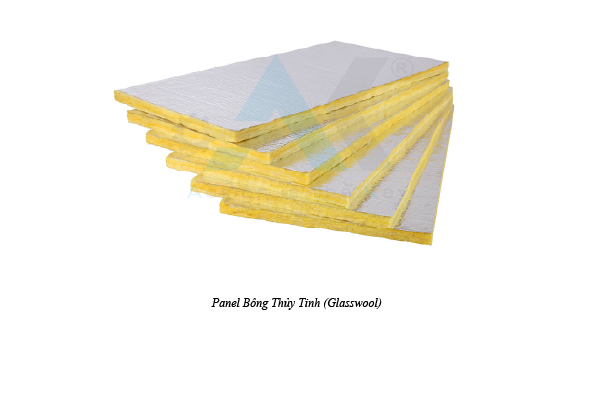
2.3. Glass Wool Panel
Structure: A glass wool core between two surface layers made of galvanized steel or aluminum.
- Advantages:
- Very good fire resistance.
- Effective sound insulation, suitable for areas requiring noise reduction.
- Stable thermal insulation.
- Limitations:
- Heavier than other panel types.
- More expensive than EPS and PU panels.
- More complex installation process.
- Applications: Cleanrooms in high-tech factories that require fire resistance and sound insulation.
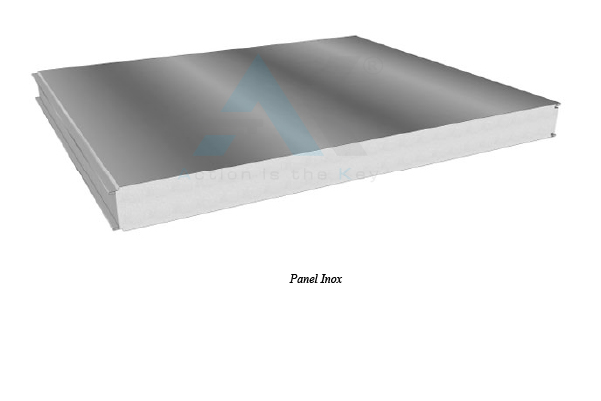
2.4. Stainless Steel Panel
Structure: A high-grade stainless steel surface layer with a core typically made of PU or glass wool.
- Advantages:
- Outstanding corrosion resistance, suitable for harsh or chemical environments.
- Glossy surface, easy to clean, resistant to dirt and bacteria adhesion.
- High durability and long service life.
- Limitations:
- Very expensive, suitable for specialized projects.
- Heavy weight, requiring professional installation techniques.
- Applications: Cleanrooms in healthcare, sterile pharmaceutical manufacturing, and areas requiring contamination control.
2.5. Honeycomb Panel
Structure: A honeycomb core (usually aluminum or paper) between two surface layers.
- Advantages:
- Lightweight but with good load-bearing capacity.
- High rigidity and low deformation.
- Relatively good thermal and sound insulation.
- Limitations:
- Less common than other panel types.
- Material and installation costs are relatively high.
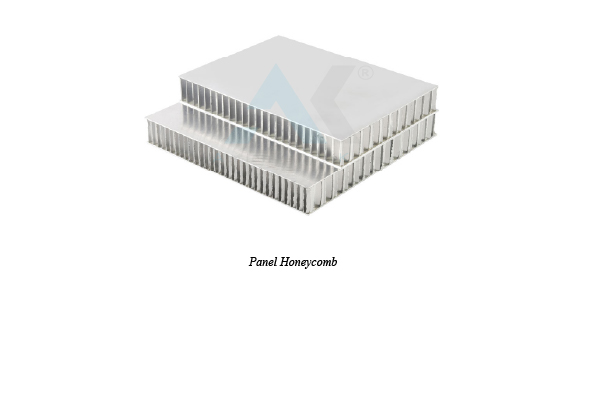
Applications: Cleanrooms requiring durable structures and light weight, such as those in the aerospace industry or electronic component manufacturing.
3. Comparison of Panel Types
| Panel Type | Thermal Insulation | Sound Insulation | Weight | Cost | Applications |
| EPS | Medium | Low | Light | Low | Basic cleanrooms |
| PU | High | Good | Medium | Medium | Pharmaceutical and food cleanrooms |
| Glass wool | Good | Very good | Heavy | High | High-tech cleanrooms |
| Stainless steel | High | Good | Heavy | Very high | Medical and chemical cleanrooms |
| Honeycomb | Good | Medium | Very light | High | Specialized cleanrooms |
4. Choosing the Right Panel for a Cleanroom
When choosing a panel type, you should consider the following factors:
- Purpose of use:
- Pharmaceutical and healthcare industries: PU or stainless steel panels are recommended.
- Electronics industry: Glass wool or honeycomb panels are suitable.
- Basic cleanrooms: EPS panels are an economical choice.
- Budget:
- With a limited budget, EPS or PU panels are reasonable options.
- If durability and long-term efficiency are priorities, consider stainless steel or glass wool panels.
- Technical requirements:
- If fire resistance is required, choose glass wool or PU panels.
- For cleanrooms requiring high corrosion resistance, stainless steel panels are the optimal choice.
5. Cleanroom Panel Supply and Installation Services at Anh Khang
Anh Khang is proud to be one of the leading suppliers and installers of cleanroom panels in Vietnam. We are committed to:
- Quality products: Supplying a wide range of panel types that meet international standards.
- Professional installation: A team of experienced technicians ensuring installation in accordance with standards.
- Optimal solutions: Supporting customers in choosing the most suitable panel type for their needs and budget.
Contact Anh Khang today to receive a quotation and detailed consultation for your cleanroom project!
 | ANH KHANG CLEANROOM M&E JOINT STOCK COMPANY Hotline: 1900 636 814 - 0902 051 222 Email: info@akme.com.vn Website: akme.com.vn Address: Lot B7 - Xuan Phuong Garden - Phuong Canh - Nam Tu Liem - Hanoi. |

12:05 - 28/11/2019 49375
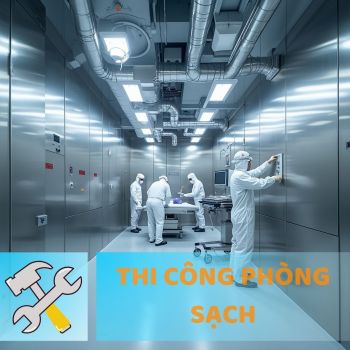
Cleanroom Design and Construction
14:05 - 11/03/2025 24891
GMP and ISO Standard Cleanroom Construction
14:18 - 11/03/2025 13775
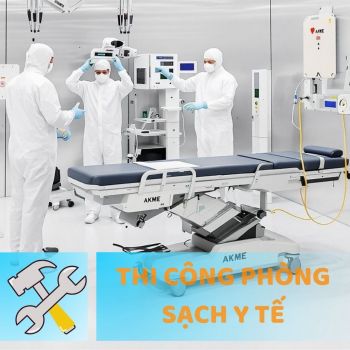
ISO Standard Medical Cleanroom Construction

14:13 - 28/02/2025 25191
Electronics Cleanroom Construction

16:15 - 18/03/2021 7636
Warranty Service
16:26 - 28/11/2019 21035
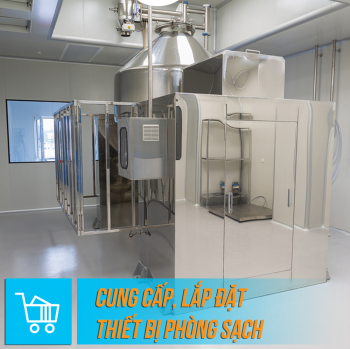
Supply and installation of cleanroom equipment

14:50 - 26/11/2019 7361
Technology Production Line Consulting
16:35 - 19/03/2025 20923