


Standards and Important Considerations for Designing Lighting Systems in Cleanrooms.
16:45 - 02/01/2025 1171
Standards and important considerations for designing cleanroom lighting systems to ensure compliant illumination, energy efficiency, and compliance with ISO/GMP regulations.
What Is a VAV System? Structure, Operating Principle, and Applications in HVAC
Position air return grilles to optimise airflow control in the cleanroom.
Innovating airlock technology – off-site fabrication and field assembly to ensure a seamless transition when entering and exiting sterile environments.
Decoding Raised Floors in Cleanrooms for Electronics Manufacturing Plants
A cleanroom is an environment that is strictly controlled in terms of dust level, bacteria, and other environmental factors. Among these, the lighting system plays an important role, directly affecting work quality and the consistency of production processes. In this article, we will explore the standards and important considerations for designing lighting systems in cleanrooms.
1. THE IMPORTANCE OF LIGHTING SYSTEMS IN CLEANROOMS
The lighting system in a cleanroom not only has to provide sufficient illumination for production activities but must also meet strict standards to minimize its impact on the controlled environment. Its main roles include:
- Improving accuracy in production processes: Proper lighting helps workers and technicians perform tasks with high precision, especially in industries that require meticulous attention such as pharmaceutical manufacturing, electronic components, or microchips.
- Ensuring safety: Good lighting reduces the risk of workplace accidents and helps limit the development of microorganisms or other hazardous factors in the cleanroom environment.
- Maintaining a compliant environment: A properly designed lighting system is one of the factors that helps a cleanroom meet ISO 14644 or GMP standards, thereby enhancing product quality and business credibility.
2. CLEANROOM LIGHTING STANDARDS
2.1. Illumination standards
Illumination standards in cleanrooms are defined according to the industry and the required cleanliness level. In general, the required lighting levels are as follows:
- ISO 5 cleanrooms: Illumination from 1,000 lux to 2,000 lux to meet the highest technical requirements, such as semiconductor manufacturing or medical research.
- ISO 6–8 cleanrooms: Illumination from 500 lux to 1,000 lux, suitable for standard production activities in industry and pharmaceuticals.
2.2. Color temperature
The color temperature of lighting (measured in Kelvin) must be suitable for the nature of the work:
- Neutral white light (4,000K–5,000K) is suitable for areas requiring high precision.
- Cool white light (>5,000K) helps reduce eye strain during long working hours.
2.3. Color Rendering Index (CRI)
The Color Rendering Index (CRI) reflects how accurately colors appear under the light source. A CRI of 80 or higher is recommended for cleanrooms, especially in industries that require accurate color recognition such as pharmaceutical manufacturing or product quality inspection.
2.4. Flicker frequency
LED lighting in cleanrooms should be designed to minimize flicker (flicker-free) in order to improve concentration and ensure safety.
3. IMPORTANT CONSIDERATIONS IN LIGHTING DESIGN
3.1. Selecting the right type of lighting fixture
Today, LED lighting is commonly used in cleanrooms because of the following advantages:
- Long lifespan: Reduces replacement costs.
- Energy efficiency: Consumes less electricity than fluorescent lamps.
- Reduced dust contamination: LED lights generate less heat, helping reduce the risk of dust generation.
3.2. Proper layout planning
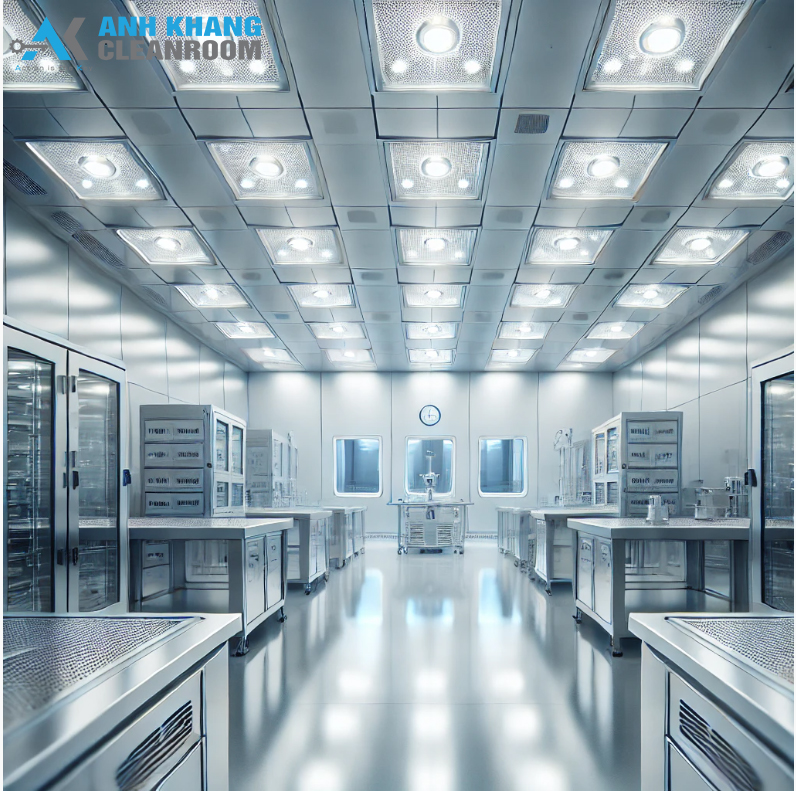
The arrangement of lighting fixtures must ensure consistency and avoid shadows. Each area may require different lighting conditions:
- Main production area: Uniform lighting.
- Maintenance area: Higher lighting intensity for detailed tasks.
3.3. Ensuring hygiene
The lighting system design must prevent dust accumulation. Light fixtures should have smooth surfaces, be easy to clean, and offer good dust resistance. In addition, regular maintenance is mandatory to maintain performance.
3.4. Lighting system automation
Automating the lighting system helps save energy and optimize performance. Light or motion sensors can be installed to automatically adjust lighting according to actual needs, helping reduce operating costs.
3.5. Inspection and maintenance
Regular inspections should be carried out to ensure the lighting system operates stably, and lamps should be replaced when necessary.
4. HOW TO APPLY HIGH TECHNOLOGY IN CLEANROOM LIGHTING
4.1. Using smart lighting technology
Smart lighting technology helps automatically adjust light intensity based on actual needs, improving energy efficiency and ensuring consistency in operations.
4.2. Using integrated sensors
Sensors are used to improve accuracy and help reduce dust contamination.
5. BENEFITS OF STANDARD-COMPLIANT LIGHTING DESIGN
5.1. Improving work efficiency:
Standard-compliant lighting helps workers perform more effectively, reduces fatigue, and improves concentration.
5.2. Reducing the risk of errors:
In industries that require high precision, such as sample analysis or product quality inspection, proper lighting helps minimize errors.
5.3. Regulatory compliance:
Meeting lighting standards is a mandatory condition for cleanrooms to achieve ISO or GMP certification, thereby enhancing the reliability of both the product and the business.
CONCLUSION
The lighting system in a cleanroom is not only an aesthetic factor but also plays an important role in maintaining a compliant environment. Following the key principles and considerations in lighting design will help cleanrooms operate efficiently, safely, and meet different production requirements.
>https://www.akme.com.vn/den-phong-sach-nhung-tieu-chuan-den-phong-sach-can-biet.html
>https://akme.com.vn/he-thong-den-chieu-sang-phong-sach.html
 | ANH KHANG CLEANROOM M&E JOINT STOCK COMPANY Hotline: 1900 636 814 - 0902 051 222 Email: info@akme.com.vn Website: akme.com.vn Address: Lot B7 - Xuan Phuong Garden - Phuong Canh - Nam Tu Liem - Hanoi. |

12:05 - 28/11/2019 49375
Cleanroom Design and Construction
14:05 - 11/03/2025 24891
GMP and ISO Standard Cleanroom Construction
14:18 - 11/03/2025 13775
ISO Standard Medical Cleanroom Construction
14:13 - 28/02/2025 25191
Electronics Cleanroom Construction

16:15 - 18/03/2021 7636
Warranty Service
16:26 - 28/11/2019 21035
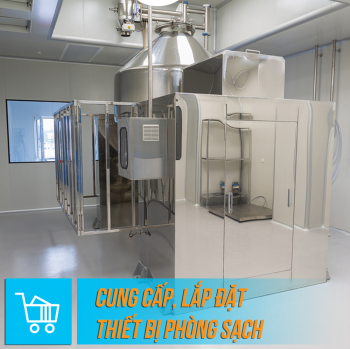
Supply and installation of cleanroom equipment

14:50 - 26/11/2019 7361
Technology Production Line Consulting
16:35 - 19/03/2025 20923